





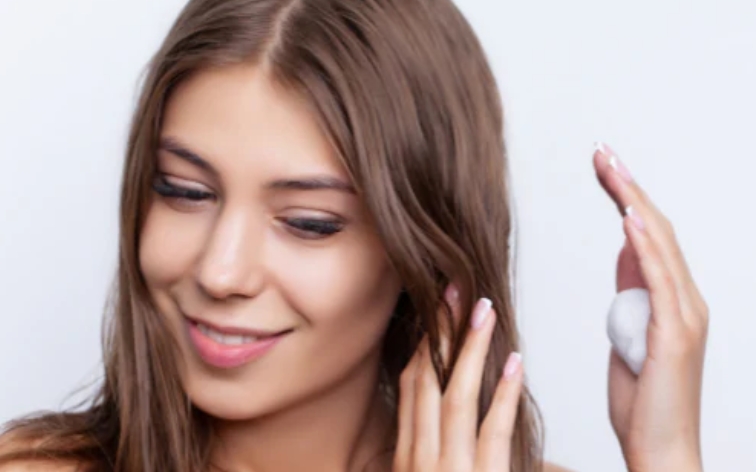
Hair loss problems plague many people, who often try various home remedies and products in the hope of finding the most effective solution. However, many self-treatments may have limited results or even be counterproductive. Therefore, to effectively deal with the problem of hair loss, here are the best ways to deal with it according to expert advice:
1. Seek expert help
Hair loss can be caused by a variety of reasons, such as genetics, stress, poor nutrition or disease. Blindly attempting treatment without understanding the underlying cause may be counterproductive. Consulting a dermatologist or trichologist for a professional diagnosis and finding the right treatment for the individual is the first step in solving your hair loss problem.
2. Gently clean and care for your hair
Fine hair is particularly fragile and extra care should be taken when cleaning and caring for it to avoid damaging the hair or scalp. Expert advice:
- Gentle Cleansing: Use sulfate-free shampoos to minimize hair irritation.
- Moisturizing Conditioner: Apply a moisturizing conditioner after each shampoo to lock in moisture and reduce breakage, split ends and frizz. The conditioner protects hair strands, especially fragile and dry hair.
- Microfiber Towel Dry: Use a microfiber towel to soak up moisture rather than rubbing your hair vigorously, which reduces friction and pulling on your hair to avoid breakage.
3. Use Hair Care Essential Oils: Use natural hair care essential oils such as coconut oil.
Natural hair care oils such as coconut oil are very nourishing to the scalp and hair. Warm coconut oil massaged into the scalp can help improve scalp health, increase blood circulation and help stimulate hair growth. However, it should be used in moderation, as too much oil can overload the hair and even lead to breakage.
4. Avoid home hair coloring
Home hair coloring may lead to further hair damage, especially if unsuitable products are used. Experts recommend seeking help from a professional hair salon. An experienced stylist will be able to choose the most suitable products for your hair and perform scalp treatments to help avoid damage when coloring your hair.
5. Reducing the use of heated hair styling tools
Prolonged use of heated hairdressing tools (e.g. straighteners, curling irons, hair dryers) can weaken hair strands and lead to hair loss. Suggestion:
- Limit the frequency of use : Minimize the use of these tools, especially for daily styling.
- Temperature Setting Low: If you do need to use heated tools, make sure you set them to a low temperature to avoid damage to your hair from overheating.
6. Choosing the right hairstyle: The right hairstyle for your hair.
Pulled-tight hairstyles (e.g., ponytails, braids) can cause traction alopecia. The traction will continuously pull the hair follicles and cause damage to the hair root. Therefore, changing your hairstyle regularly and avoiding keeping tight hairstyles for long periods of time can effectively prevent hair loss. In addition, avoid the habit of tangling and pulling your hair with your fingers, which can also make fragile hair more susceptible to shedding.
7. Gentle combing of the hair
Be gentle when combing your hair, avoid pulling it roughly and use a wide-toothed comb to minimize friction on your hair. Comb only to the point of styling and avoid over-combing.
8. Healthy Lifestyle
Healthy lifestyle habits help prevent hair loss:
- Balanced diet: A diet rich in vitamins and minerals, such as vitamin A, B12, B7 (biotin), D, iron and zinc, can strengthen hair and prevent hair loss.
- Avoid Bad Habits: Smoking and excessive alcohol consumption accelerate the body’s inflammatory response, further exacerbating hair loss. By quitting smoking and limiting alcohol, your scalp and hair follicles will become healthier.
- Relieve Stress: Chronic stress is also a major factor in hair loss. Learning to relax and manage stress is essential for overall health and hair care.
9. Careful use of health supplements.
Many people turn to supplements when it comes to hair loss in the hopes that supplementation will improve the situation. However, taking random vitamin or mineral supplements without a doctor’s guidance can be counterproductive. Excessive intake of certain supplements may be harmful to health. Therefore, it is important to consult your doctor before using any supplements or oral hair growth products.
Summary
Treatment of hair loss problems requires comprehensive care. Hair loss problems can be effectively minimized by seeking professional help, gentle cleansing of the hair, choosing appropriate hair care products and lifestyle changes. Most importantly, avoid self-diagnosis and blind attempts; scientific care and expert advice are the best way to treat hair loss.



More Stories
Why Curology is the Best Solution for Your Skincare Needs: A Personalized Approach to Beautiful, Healthy Skin
Tips to help you save your sparse eyebrows!
How do you care for your lashes?